
Shop Clearance in Horley: Plan Stock, Fixtures and Access
Closing a shop, changing its layout or preparing a unit for a new occupier can leave a surprising number of decisions until the final days. Stock may still belong to the business, fixtures may be part of the premises, and a landlord may expect the unit to be returned in a particular condition. A clear plan helps Horley retailers separate what is moving, what can be reused and what needs lawful clearance.
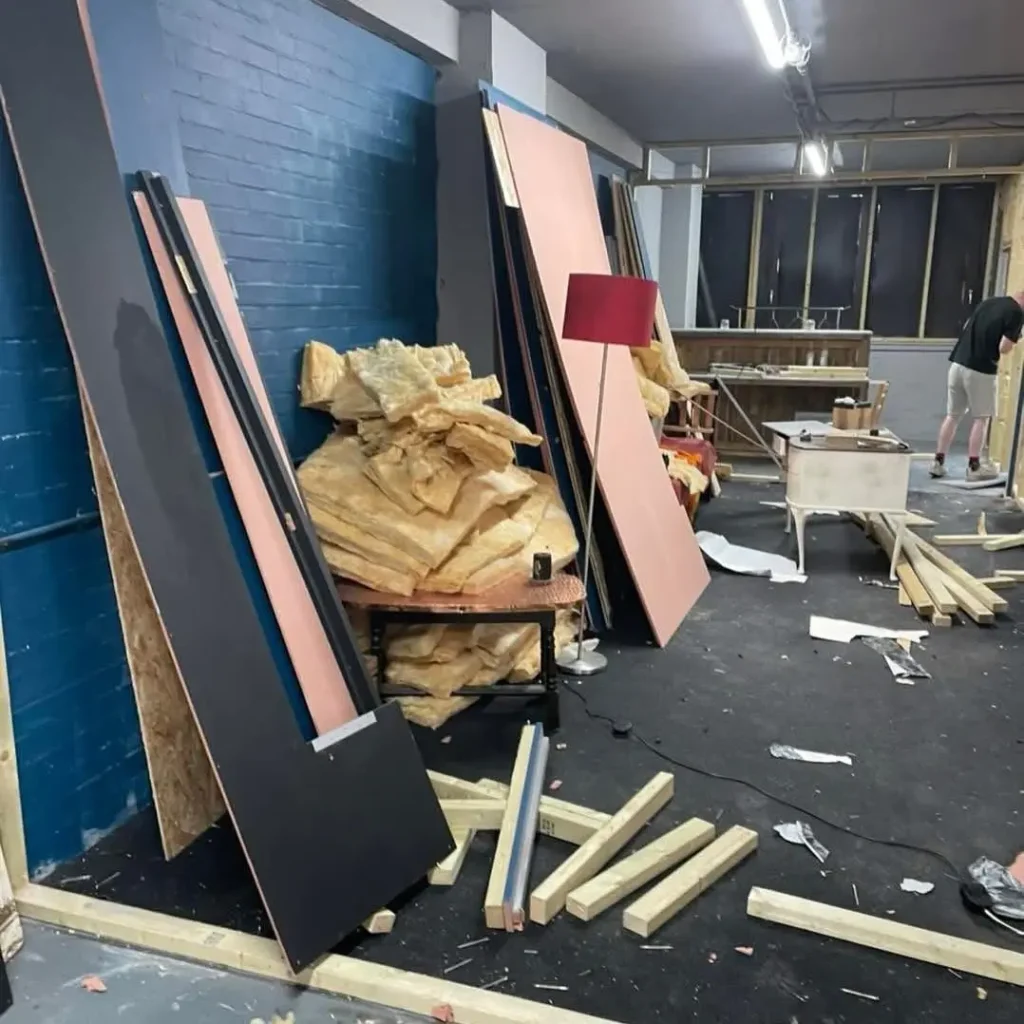
Start with the handover requirements
Before arranging a collection, check the lease, handover instructions and any written agreement with the landlord or managing agent. Confirm which counters, shelving, display units, signs and fittings must remain, and which the business is responsible for removing. Do not assume that an item fixed to a wall or floor is automatically yours to take, or that the next occupier wants it left behind.
Work back from the agreed handover date and create a room-by-room list. Include the sales floor, stockroom, office, staff area and any external storage. Mark each item as: retained by the business, transferred to another site, offered for suitable reuse, staying by agreement, or requiring clearance. Ask one person to approve changes so useful assets are not removed by mistake.
Sort stock before fixtures
Separate saleable stock, returns, samples, packaging and unwanted materials. Items that remain part of the business’s inventory should be counted and moved through its normal stock process rather than mixed into a clearance load. For unsold or obsolete stock, decide whether it will be transferred, returned to a supplier where agreed, or treated as waste. Keep product, packaging and any liquids or unusual materials clearly identified.
Then assess furniture and fixtures. Check whether shelving, rails, counters, tables, chairs and display equipment can be reused in another shop or by another occupier. Label anything that is staying or being moved, and photograph unusual or bulky items so the clearance team can understand what is involved when preparing a quote. Reuse is often the best outcome for serviceable items, but suitability depends on their condition and the arrangements available.
Plan access and loading early
Shop clearances can be affected by shared entrances, customer areas, service yards and restricted loading times. Confirm where a vehicle may stop, whether a booking is required, how goods reach the loading point, and whether a lift, stairs or narrow doorway affects larger fixtures. In a shared building, agree arrangements with the landlord or manager so access routes remain clear and other occupiers are not disrupted.
Tell the clearance company about dismantling needs, heavy or awkward items and any restrictions before the visit. Keep customers and staff away from active loading areas and arrange the work for a time that suits the building’s rules. Accurate information helps avoid last-minute surprises.
Use a registered waste carrier
Businesses must take care that waste is transferred to an appropriately registered carrier and dealt with lawfully. Samco Services is fully registered with the Environment Agency as a waste carrier under registration CBDU271684. Samco handles collected waste legally, prioritises reuse wherever suitable, then recycling, followed by proper disposal through authorised facilities. Its commercial clearance service covers non-hazardous commercial waste; flag unusual items when requesting a quote so the right arrangements can be confirmed.
Request a shop-clearance quote
If you are preparing a Horley shop for a move, refurbishment or landlord handover, make a simple inventory and include photographs, access or loading details, and the date the unit must be ready. Be clear about what should stay, what is being taken elsewhere and what requires clearance. Contact Samco Services for a quote based on the actual contents and access requirements.