
Closing, relocating or refitting a retail unit involves more than emptying the sales floor. A clear plan helps you protect stock and equipment, meet your handover obligations and explain exactly what needs to be removed. This checklist is for retailers arranging a shop clearance in England, whether the work involves a few fixtures or a larger premises.
1. Check the lease and agree what stays
Before sorting anything, review the lease, dilapidations schedule or handover instructions and ask the landlord or agent to confirm what must remain. Shelving, counters, signs, lighting and other fittings may be landlord-owned, tenant-owned or subject to reinstatement requirements. Mark each item as “retain”, “return”, “reuse” or “clear” so the clearance team is not asked to remove something that should stay.
2. Separate stock, fixtures and items for removal
Decide what will be transferred to another branch, sold, stored or offered for reuse before setting aside items for clearance. Keep retained goods together and label them clearly. A simple room-by-room list, with photographs of larger or unusual items, makes it easier to describe the job accurately and reduces the chance of confusion on the day.
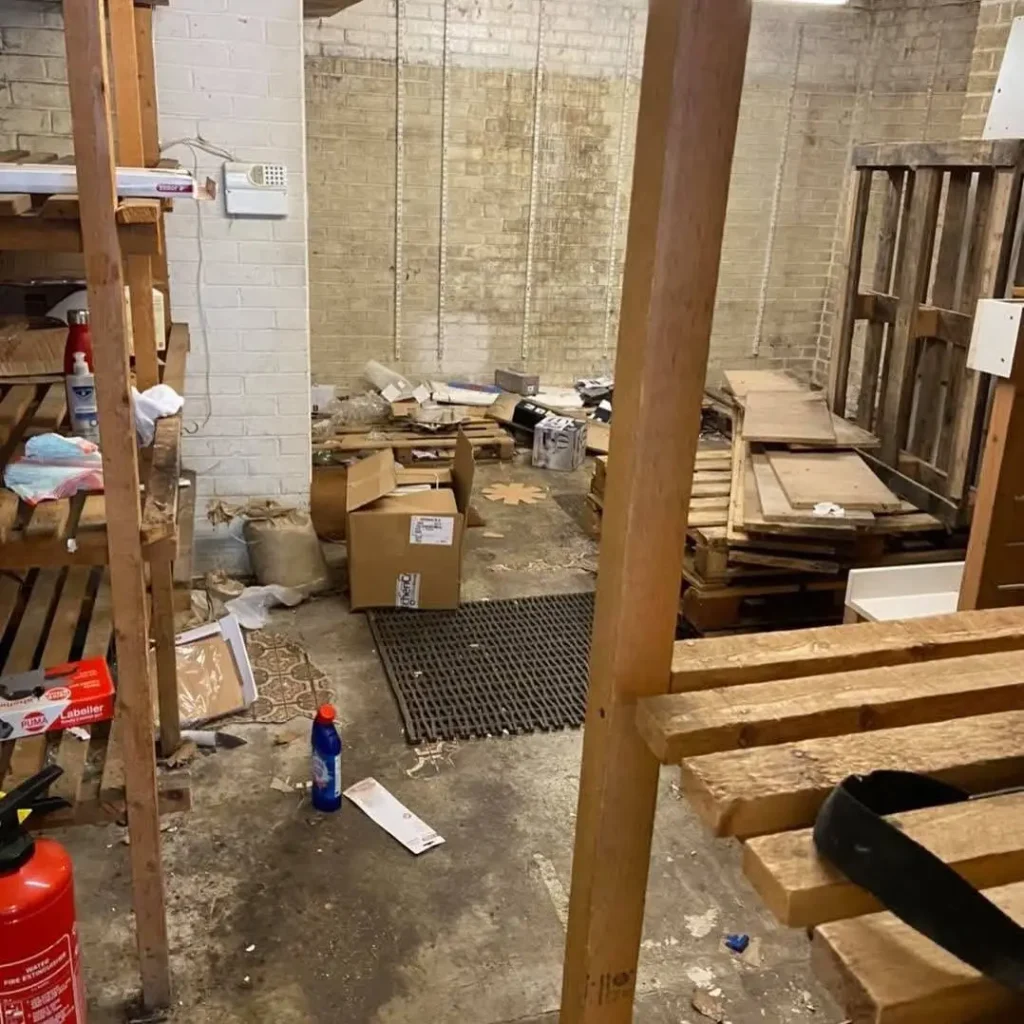
Retail units can contain counters, shelving, display stands, stockroom furniture, packaging and general waste. The exact scope depends on what is present and what you want removed, so give a clear list rather than relying on a broad description such as “clear the shop”.
3. Plan access and timing
Check opening hours, keys, loading access, lifts, stairs, parking arrangements and any building rules that could affect removal. In a shopping centre or shared building, ask the property manager whether a service entrance, booking slot or protection for shared areas is required. Confirm the preferred clearance date and any deadline for returning the unit, then share those details when requesting a quote.
4. Deal with sensitive items separately
Remove cash, keys, uniforms, customer records and confidential paperwork from the clearance area. Sign out payment terminals and other leased equipment with the relevant provider. If computers, tills or storage devices contain business or customer data, arrange for that data to be securely removed and use an appropriate specialist route for the equipment where needed. Tell the clearance company about any hazardous or restricted materials before collection; do not mix them in with ordinary items.
5. Choose a licensed carrier and ask how items are handled
Samco Services is registered with the Environment Agency as a waste carrier (registration CBDU271684). Waste from a shop clearance should be handled and transferred through lawful routes, not left for unverified removal. Where items are suitable, Samco prioritises reuse; materials that cannot be reused are directed to recycling where possible, with the remainder disposed of appropriately.
For commercial and retail clearance details, see Samco’s commercial clearance service. Availability depends on the address and job scope, so retailers planning a shop clearance anywhere in England should confirm their location, access and requirements directly with the team.
Request a shop-clearance quote
To help the team understand the job, include:
- The shop address and the rooms or areas to be cleared
- What must stay and what should be removed
- Access details, including any loading or building rules
- Your preferred date and any handover deadline
- Photos of larger or unusual items, plus any materials needing separate arrangements
Samco can then discuss the work and next steps with you.
Planning a shop clearance? Contact Samco Services to discuss your requirements and request a quote.